Review: Spring Butterfly Applique for Real Projects
As a designer who has spent years digitizing and stitching thousands of machine embroidery design files, I have learned to look past the glossy preview images. What matters is how a file behaves under the needle, how it interacts with different fabric texture, and whether it holds up in a commercial setting. Recently, I pulled the Spring Butterfly Applique from my library to test its viability for a upcoming line of children’s apparel. This isn’t just about aesthetics; it is about practical application for Etsy seller accounts, boutique owners, and serious hobbyists.
First Impressions and Visual Mood
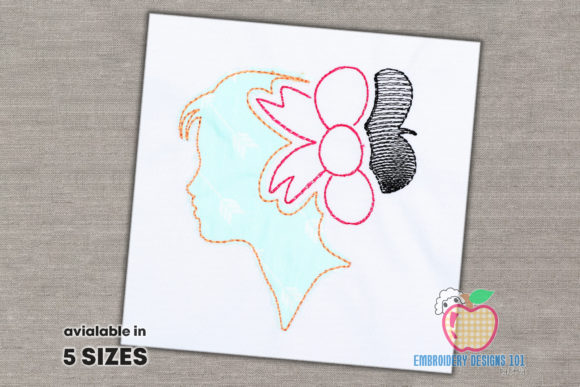
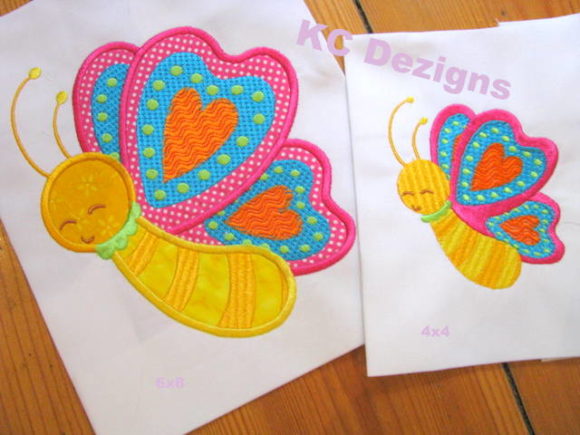
The first thing that strikes you about this applique design is its simplicity. In a market saturated with overly complex, dense digitizing, this butterfly offers a breath of fresh air. It feels light, airy, and distinctly seasonal. The shape is organic rather than rigid, which gives it a friendly, approachable personality. For projects targeting the Boys category or gender-neutral baby items, this is a significant advantage. It avoids excessive frills while maintaining a cute, recognizable silhouette.
The layout suggests a focus on clean lines. When I loaded the embroidery file into my editing software, I noticed the balance between the fabric patch and the securing stitches. A good applique relies on the contrast between the base fabric and the surrounding satin stitch or running stitch borders. This design appears to prioritize clarity, ensuring that the butterfly remains the focal point without getting lost in unnecessary background noise.
Real-World Application: The Custom Sweatshirt Test
To truly evaluate this design, I moved beyond digital mockups and prepared a real-world test. My goal was to create a custom sweatshirt embroidery piece for a client’s toddler. I chose a heather grey cotton blend, a common choice for custom apparel because it is forgiving and soft.
The process began with hooping the garment with a medium-weight cut-away stabilizer. Since this is an applique, the stabilizer’s role is crucial to prevent puckering during the placement stitch and the final tack-down. I selected a contrasting cream-colored fabric for the butterfly wings. The result was immediate visual pop. The Spring Butterfly Applique sat flat against the knit fabric, avoiding the stiffness that often plagues poorly digitized fills. For a handmade product intended for daily wear, this comfort factor is non-negotiable.
Versatility Across Product Lines
Beyond sweatshirts, this design shows promise across various design assets for small businesses. Here is where it shines:
- Tote bag design: The bold shape reads well from a distance, making it ideal for canvas bags.
- Baby embroidery: Soft edges mean no scratchy tags or rough backs, perfect for sensitive skin.
- Embroidered patch: With proper merrowed edges or a satin border, this could be ironed onto denim jackets.
- Holiday embroidery: While spring-themed, changing thread colors to autumnal tones can extend its seasonal life.
For commercial embroidery shops, versatility equals profitability. A single digital embroidery file that works on hats, towels, and shirts reduces the need for constant new purchases. This design fits that bill, provided you adjust your materials accordingly.
Technical Considerations and Pitfalls
While the design is user-friendly, it is not without its technical demands. As an experienced reviewer, I must highlight where caution is needed. Appliance designs rely heavily on precise fabric placement. If you are working with stretchy fabric or thin materials like silk or rayon, the tension of the tack-down stitches can cause distortion. Always use a hoop size that provides ample support around the design area. Do not try to squeeze this into a tiny 4x4 hoop if the design dimensions push the limits; give it room to breathe.
Another critical factor is stitch density. Although appliques generally use less thread than full-fill designs, the border stitches must be dense enough to secure the fabric but not so dense that they perforate the material. I recommend testing the design on scrap fabric first. Check the transition points where the needle changes direction. Are there jumps? Are the trims clean? These details define the professionalism of your finished product.
When working with dark fabrics, thread color contrast becomes vital. A dark blue butterfly on a black shirt will vanish. Use bright, vibrant thread colors for the border to frame the applique fabric effectively. This enhances visibility and adds a polished look to your small shop product listings.
Commercial Use and Licensing
For craft business owners, understanding licensing is paramount. The product description states this is a machine applique design requiring an embroidery machine. However, it does not explicitly detail the license terms for selling finished items. Before listing this on Etsy or at craft fairs, you must confirm whether the creator allows commercial use of the stitched output. Most designers allow selling physical items, but reselling the embroidery file itself is strictly prohibited. Always read the included documentation or contact the designer directly to protect your business integrity.
Enhancing Customer Trust and Brand Value
Why does this specific design matter for your brand? Consistency and quality build trust. When a customer receives a personalized gift featuring a crisp, well-stitched butterfly, they associate that quality with your store. Sloppy appliques, where fabric frays or stitches gap, erode that trust. The Spring Butterfly Applique, when executed correctly, signals attention to detail. It suggests that the maker cares about the end user’s experience.
Moreover, using versatile designs like this allows for efficient inventory management. You can create a printable mockup showing the butterfly on various items—caps, aprons, pillow covers—to gauge customer interest before committing to large production runs. This data-driven approach minimizes waste and maximizes engagement.
Final Verdict for Designers
The Spring Butterfly Applique is a solid addition to any embroiderer’s library. It is not revolutionary, but it is reliable. It performs well on standard cottons and blends, offers clear visual appeal for children’s items, and adapts to various embroidery project types.
My advice is straightforward: respect the mechanics of applique. Use sharp scissors for trimming the fabric close to the stitch line. Choose high-quality stabilizers. Test your tension. If you treat this design with the professional care it deserves, it will serve as a dependable asset in your design assets collection. Whether you are creating a one-off personalized gift or stocking your online store, this butterfly has the potential to fly high in your sales charts.
Remember, the best designs are those that disappear into the quality of the work. They don’t scream for attention; they simply look right. This design achieves that balance, making it a worthy candidate for your next custom apparel run or holiday collection.