Reviewing the Three Fish Applique Pattern for Gifts
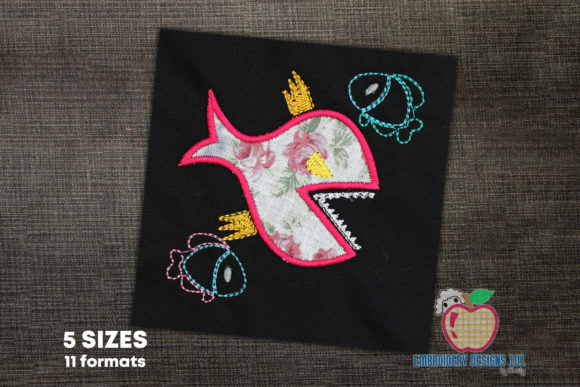
As an embroidery designer who has spent years testing digital files for real-world application, I approach every new machine embroidery design with a critical eye. It is not enough for a pattern to look good on a screen; it must perform beautifully on fabric, withstand washing, and appeal to the end customer. Recently, I had the opportunity to test the Three Fish Applique Pattern, and I wanted to share my findings with fellow crafters, Etsy sellers, and small business owners looking to expand their personalized gift offerings.
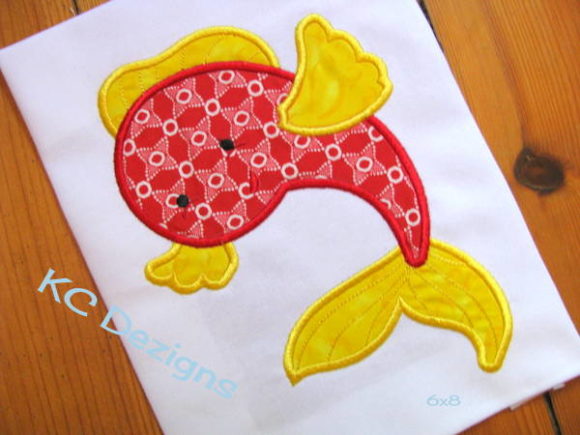
The first impression of this design is one of playful charm. Unlike rigid geometric patterns or overly complex realistic illustrations, the Three Fish Applique Pattern strikes a balance between whimsical and classic. The mood is light-hearted yet elegant, making it versatile enough for a nursery setting or a modern kitchen. For those of us in the handmade community, finding designs that feel genuinely "handmade" rather than mass-produced is crucial. This pattern achieves that organic, sweet aesthetic that customers often seek when buying custom items.
Why This Design Works for Personalized Gifts
The core strength of the Three Fish Applique Pattern lies in its adaptability. When I consider what makes a successful personalized gift, it is usually the emotional connection combined with high-quality execution. This design serves as an excellent base for various products because the subject matter—fish—is universally recognized and often associated with tranquility, nature, and childhood wonder.
For baby product creators, this is a standout choice for baby embroidery projects. Imagine this pattern stitched onto a soft muslin swaddle or a hooded towel. The applique technique typically reduces bulk compared to dense satin stitching, which is a significant advantage for items that will be in direct contact with sensitive skin. Parents are increasingly cautious about scratchy textures, so a design that relies on fabric layers rather than thick thread buildup is a major selling point.
Beyond the nursery, this pattern shines in home decor. An embroidered towel featuring these three fish can transform a standard kitchen item into a charming focal point. Similarly, using this design on a canvas tote bag creates a durable, stylish accessory that appeals to eco-conscious shoppers. The visual weight of three figures allows for balanced composition, whether placed centrally on a pillow cover or offset on the corner of a linen napkin.
Strategic Product Applications for Sellers
If you are an Etsy seller or run a small shop product line, versatility is key to maximizing your return on investment for each digital embroidery file you purchase. Here is how I envision the Three Fish Applique Pattern performing across different categories:
- Nursery Decor: Use the pattern on wall hangings or crib sheets to create a cohesive underwater theme.
- Wedding Gift: While seemingly playful, stylized fish can symbolize abundance and harmony. Paired with monogramming, this could work for a couple who loves coastal living or fishing.
- Custom Embroidery Aprons: A favorite among crafters, an apron with this motif makes a thoughtful gift for cooking enthusiasts or artists.
- Blanket Embroidery: Applied to fleece or minky, the applique edges provide a nice textural contrast without compromising the softness of the blanket.
The key to success here is presentation. When creating your printable mockup or product photography, ensure the thread colors complement the fabric. For a modern look, try tonal stitching where the thread matches the applique fabric. For a pop of contrast, use vibrant hues against neutral backgrounds. This attention to detail enhances the perceived value of your handmade product.
Technical Considerations and Fabric Choices
While the design is charming, practical execution requires careful planning. The product description notes that the Three Fish Applique Pattern comes with multiple embroidery file formats and steps are separated by color changes. This is standard for quality applique designs, but it places the responsibility on the operator to manage the process correctly.
One critical factor is stitch density. Applique designs generally have lower density than fill-stitch designs, but you must still ensure your stabilizer choice matches your fabric. For stretchy baby clothes or knits, a cut-away stabilizer is non-negotiable to prevent puckering. For woven towels or cotton aprons, a tear-away might suffice, but always test on scrap fabric first.
Fabric texture also plays a role. On thick, textured towels, the fine details of the fish fins or tails might get lost if the applique fabric is too similar in texture to the base material. I recommend using smooth cotton or felt for the applique pieces to ensure crisp edges. Additionally, when working on dark fabric, ensure your placement stitches are visible enough to trim accurately, or use a water-soluble topping to keep the fabric fibers from poking through the satin stitch borders.
Be cautious with curved surfaces. If you are embroidering on a rounded item like a stuffed toy or a curved hat panel, the alignment of the three fish needs to be precise. Distortion can occur if the hoop tension is not uniform. Always confirm your hoop size compatibility before starting. Since the description mentions multiple file formats, check if the design includes resized versions for smaller hoops if you plan to use it on petite items like baby bibs or sock tops.
Enhancing Customer Trust and Engagement
From a business perspective, the Three Fish Applique Pattern offers more than just aesthetic appeal; it builds trust. When customers see clean, well-executed applique work, they associate it with professionalism. Sloppy edges or misaligned layers can deter buyers, but a crisp finish encourages repeat business.
To leverage this for your commercial embroidery ventures, consider offering customization options. Can you add a name beneath the fish? Can you change the direction of the fish to swim towards a monogram? These small tweaks can justify a higher price point. Furthermore, showing the design in use on various items in your online store helps buyers visualize the finished product in their own homes.
It is also vital to address licensing. Before selling any items made with this design, confirm the commercial licensing terms provided by the creator. Most designers allow sales of finished physical goods, but restrictions may apply to sharing the digital file itself. Respecting these terms protects your business reputation and supports the design community.
Final Thoughts on the Three Fish Applique Pattern
In conclusion, the Three Fish Applique Pattern is a robust addition to any embroidery library. Its blend of playful imagery and technical simplicity makes it accessible for beginners while remaining attractive enough for seasoned professionals. Whether you are creating a wedding gift for coastal lovers, a baby shower present, or a unique item for your craft fair booth, this design delivers.
Remember to prioritize quality control: check your thread tension, use the right stabilizer, and press your finished items carefully to flatten any applique seams. By treating each stitch with care, you transform a simple digital file into a cherished keepsake. For those looking to expand their catalog with reliable, emotionally resonant designs, this pattern is certainly worth considering.