Roulette Embroidery Design: A Designer’s Review
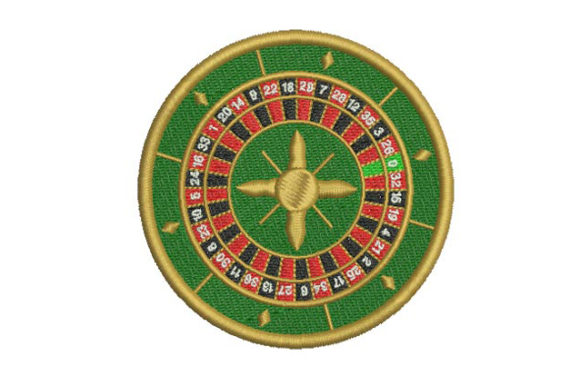
As an embroidery designer who has spent years digitizing and testing thousands of motifs, I have developed a keen eye for what works on fabric versus what only looks good on a screen. When I first loaded the Roulette machine embroidery design into my software, I was immediately drawn to its thematic cohesion. This is not just a random collection of gambling icons; it is part of a curated set of 11 designs featuring the four French playing card suits—Clubs, Diamonds, Hearts, and Spades—alongside dice, chips, and the roulette wheel itself. For those of us in the craft business, having a matching suite of assets is invaluable for creating cohesive product lines.
First Impressions and Visual Personality
The immediate mood this design creates is one of classic leisure and sophisticated play. It does not scream "casino noise"; rather, it whispers of a quiet night in with friends or a stylish boutique aesthetic. The layout is compact, specifically optimized for 4×4 hoops. This size constraint is actually a benefit for small-scale applications, forcing the digitizer to prioritize clarity over unnecessary complexity. From a visual standpoint, the balance between the circular motion implied by the roulette wheel and the geometric stability of the chips and cards feels intentional. It is a design that respects the limitations of the hoop while maximizing visual impact.
For embroidery designers and Etsy sellers, this kind of thematic consistency is gold. You are not just selling a single image; you are selling a vibe. Whether you are creating a personalized gift for a poker enthusiast or designing a line of custom apparel for a local game night group, having access to all eleven elements allows for mix-and-match creativity that single-image purchases cannot offer.
Real-World Application: The Custom Tote Bag Scenario
To truly evaluate Roulette, I moved beyond the digital preview and considered a real-life production scenario. Imagine a client requesting a set of tote bags for a bachelor party or a girls' trip to Las Vegas. This is where the design shines. Using the roulette motif as the central focal point on a canvas tote bag design, I can envision using high-contrast thread colors to make the wheel pop against a natural or black fabric background.
In this context, the 4×4 hoop size is perfect. It is large enough to be recognized from a distance but small enough to fit neatly on the corner of a bag or centered on a pocket. If I were stitching this on a heavy canvas, I would likely opt for a slightly higher stitch density in the fill areas to prevent the fabric from showing through, ensuring the finished product looks professional and durable. The inclusion of the other suits and dice in the package means I could easily create a coordinated set: one bag with the roulette wheel, another with stacked chips, and a third with a royal flush arrangement. This versatility increases the perceived value of the handmade product significantly.
Performance on Different Fabrics and Garments
While the design performs beautifully on stable fabrics like canvas or denim, its application on stretchy or textured materials requires careful consideration. For sweatshirt embroidery, the compact nature of the design is advantageous. Large, dense designs can stiffen a sweatshirt uncomfortably, but a 4×4 motif sits lightly on the chest or sleeve. However, because the roulette wheel involves circular elements, I recommend using a cut-away stabilizer rather than tear-away to maintain the shape of the circle after washing. Stretch fabrics can distort circular shapes if not properly supported.
When considering baby embroidery or items for young children, caution is advised regarding the theme, but the technical execution is sound. If adapting this for a playful, non-gambling context—perhaps for a parent who loves card games—the small scale makes it suitable for a onesie pocket or a bib accent. Here, the thread colors become critical. Soft pastels or primary colors can shift the mood from "Vegas" to "playful nursery," demonstrating the flexibility of the embroidery file.
For embroidered patch creation, this design is ideal. The clear boundaries of the chips and the distinct lines of the card suits translate well to satin stitch borders. A patch allows the customer to apply the design to jackets, hats, or bags later, adding a layer of customization that appeals to modern buyers. Just ensure that the backing material is secure, as patches undergo significant wear and tear.
Technical Considerations for Stitching Clarity
One of the most important aspects of evaluating any digital embroidery file is understanding how it handles detail at small sizes. The roulette wheel, by nature, has intricate segments. In a 4×4 hoop, these segments must be simplified to avoid thread breaks and bird's nests. As a reviewer, I look for clean transitions between color changes. If the design relies too heavily on tiny running stitch details, they may get lost on textured fabrics like terry cloth or fleece.
I strongly advise testing the design on scrap fabric before committing to a final finished product. Check the contrast between your thread choices and the fabric. A dark thread on a dark fabric will render the design invisible, while a light thread on a white fabric might lack definition. Use printable mockup tools to visualize the placement, but never skip the physical test stitch. This step confirms whether the stitch density is appropriate for your specific machine and fabric combination.
Additionally, consider the underlay. A good digitizer will include sufficient underlay stitches to anchor the top threads, especially for the circular elements of the roulette wheel. If you notice puckering during your test run, adjust your stabilizer tension or switch to a heavier weight stabilizer. This is particularly important for commercial embroidery where consistency across multiple units is required.
Commercial Value and Brand Consistency
For small shop owners and creative entrepreneurs, the value of Roulette extends beyond the aesthetic. It is a versatile asset that can be used across various product categories. From holiday embroidery gifts for the gambler in your life to year-round small shop product listings, the theme has enduring appeal. The ability to bundle this with the other ten designs allows for bulk listings or themed collections, which can increase average order value on platforms like Etsy.
However, always verify the licensing terms before selling items made with this design. While many designers allow commercial use for finished physical goods, restrictions may apply to digital resale or mass production. Confirming these details protects your business and ensures ethical use of the design assets.
Final Verdict for Makers and Designers
In conclusion, Roulette is a well-conceived addition to any embroidery library, particularly for those specializing in lifestyle, gaming, or novelty themes. Its strength lies in its thematic completeness and its practical sizing for 4×4 hoops. It is not just a standalone image but part of a narrative toolkit that includes cards, dice, and chips. For the experienced designer, it offers a reliable base for customization. For the hobbyist, it provides a professional-looking result with minimal fuss.
Remember to respect the fabric you are working with. Whether you are decorating a cap, a kitchen towel, or a high-end boutique garment, the success of the project depends on the harmony between the design, the thread, and the material. Test your tension, choose your colors wisely, and let the classic appeal of the game enhance your craft. This design earns a solid recommendation for its versatility, clarity, and potential for creative expansion in both personal and commercial embroidery projects.