Horseshoe Applique: A Designer’s Review for Real Projects
As a designer who spends more time staring at stitch maps than actual thread, I have learned that not every digital file translates well to fabric. Some designs look crisp on a screen but turn into a tangled mess of puckers and breaks once the needle hits the hoop. When I first pulled up the Horseshoe machine embroidery design, my initial reaction was one of cautious optimism. It is a classic symbol, heavily associated with luck and equestrian themes, but executing it in embroidery requires a balance of structural integrity and aesthetic charm. This review breaks down how this specific applique pattern holds up in real-world scenarios, from small shop merchandise to personalized client gifts.
First Impressions and Visual Personality
The immediate appeal of the Horseshoe design lies in its clarity. In the world of embroidery, simplicity often wins. Complex gradients and tiny details frequently get lost in the texture of the fabric, especially on items that will be washed and worn. This design avoids that pitfall by relying on strong, recognizable shapes. The mood it creates is rustic yet polished, making it versatile enough for a high-end boutique blanket or a casual weekend tote.
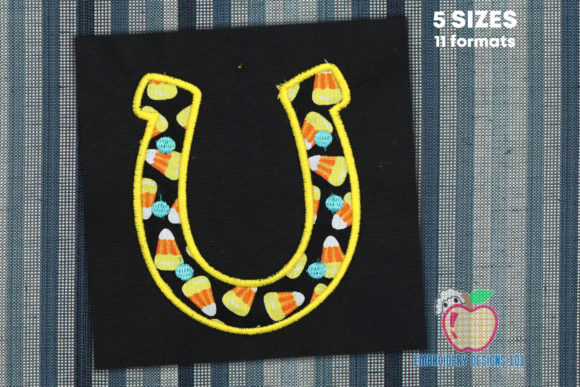
What stands out is the use of applique. For those unfamiliar, an applique design involves stitching a piece of fabric onto the base material, rather than filling the entire shape with thread. This is a crucial distinction for production efficiency. By using fabric to fill the body of the horseshoe, you significantly reduce stitch count and runtime. This means less wear on your machine and a softer hand feel on the finished product. The visual personality is bold; it does not whisper, it states its presence. This makes it ideal for projects where you want immediate recognition, such as branding for a stable, a logo on a cap, or a focal point on a nursery decor item.
Real-World Application: The Tote Bag Test
To truly evaluate a design, you must imagine it in context. I recently considered this pattern for a custom order of canvas tote bags for a local farm stand. The client wanted something durable, quick to produce, and visually striking against natural cotton. The Horseshoe fit this brief perfectly. Because the steps are separated by color changes, the workflow is straightforward. You stitch the placement line, lay down your contrasting fabric—perhaps a denim scrap for a rugged look or a bright red cotton for pop—and then secure it with a satin or wide running stitch border.
This process highlights why this design is a favorite for Etsy sellers and craft business owners. Time is money. A design that minimizes machine time while maximizing visual impact is a goldmine. On a tote bag, the flat surface allows the applique to lie smoothly without distortion. The contrast between the canvas texture and the smooth applique fabric adds a tactile dimension that customers love. It feels handmade, intentional, and high-quality. If you are creating small shop products, this type of design helps maintain consistent quality across multiple units, which is essential for building buyer trust.
Navigating Fabric and Hoop Constraints
While the design is robust, it is not without its technical considerations. As an experienced reviewer, I must point out where caution is needed. The success of any machine embroidery design depends heavily on the interaction between the stitch density, the stabilizer, and the fabric texture.
For instance, if you plan to use this on stretchy fabrics like jersey t-shirts or baby onesies, you must be diligent with your stabilization. The weight of the applique fabric, combined with the securing stitches, can cause lightweight knits to pucker if not properly supported. I recommend using a cut-away stabilizer for garments that will undergo frequent washing, such as sweatshirt embroidery or baby embroidery projects. For woven fabrics like linen or cotton twill, a tear-away stabilizer is usually sufficient, provided the fabric is hooped tightly.
Another critical factor is the hoop size. While the design is likely scalable, shrinking it too much can compromise the integrity of the outline stitches. If the border becomes too narrow, it may not adequately cover the raw edges of the applique fabric, leading to fraying over time. Conversely, blowing it up too large on a thin fabric might cause sagging. Always test the design on scrap fabric of the same weight and weave as your final project. This simple step saves hours of frustration and prevents wasted materials.
Color Strategy and Thread Selection
The versatility of the Horseshoe pattern shines when you experiment with thread colors. Since the bulk of the shape is fabric, your thread choice primarily defines the border and any accent details. A classic approach is to use a metallic gold or silver thread for the border, enhancing the "lucky" symbolism and adding a touch of elegance. This works beautifully for holiday embroidery or special occasion gifts.
However, do not underestimate the power of tonal stitching. Using a thread color that matches the applique fabric creates a subtle, sophisticated look suitable for modern home decor, such as pillow covers or kitchen towels. On the other hand, high-contrast combinations—like white thread on black denim—create a graphic, contemporary vibe that appeals to younger demographics. When preparing printable mockups or digital embroidery file previews for your online store, try to showcase these variations. Showing the design on both light and dark backgrounds helps customers visualize the potential, increasing engagement and sales.
Commercial Viability and Licensing
For commercial embroidery professionals and digital product sellers, understanding the licensing terms is non-negotiable. The product description notes that the file comes in multiple formats compatible with various machines, which is a significant plus for businesses using different equipment. However, the description cuts off regarding specific usage rights ("Please do n..."). This is a red flag that requires immediate attention before you sell any handmade product featuring this design.
Always confirm whether the license allows for unlimited physical sales or if there is a cap on the number of items you can produce. Additionally, check if you are permitted to use the design in design assets for print-on-demand services. Assuming you have the correct commercial license, this design is a strong candidate for expanding your product line. It fits seamlessly into categories like custom apparel, embroidered patch collections, and seasonal decor. Its timeless theme ensures it does not go out of style, providing long-term value to your catalog.
Final Verdict for Makers and Designers
In conclusion, the Horseshoe applique pattern is a practical, efficient, and visually appealing addition to any embroiderer’s library. It balances aesthetic appeal with production efficiency, making it suitable for both hobbyists creating personalized gifts and entrepreneurs running a small shop product line. Its strength lies in its adaptability; it looks just as good on a rugged work shirt as it does on a delicate nursery mobile.
Remember to respect the technical requirements: choose the right stabilizer, test your tension, and verify your licensing. By treating this embroidery project with the professional care it deserves, you can create finished items that not only look professional but also stand the test of time. Whether you are decorating a tote bag design for a friend or stocking your Etsy store with new inventory, this design offers a reliable foundation for creative expression. Keep your needles sharp, your threads fresh, and your hoop tight, and let the luck of the horseshoe bring success to your next creation.